 PL
 EN
 DE
The beginnings of the narrow-gauge railway
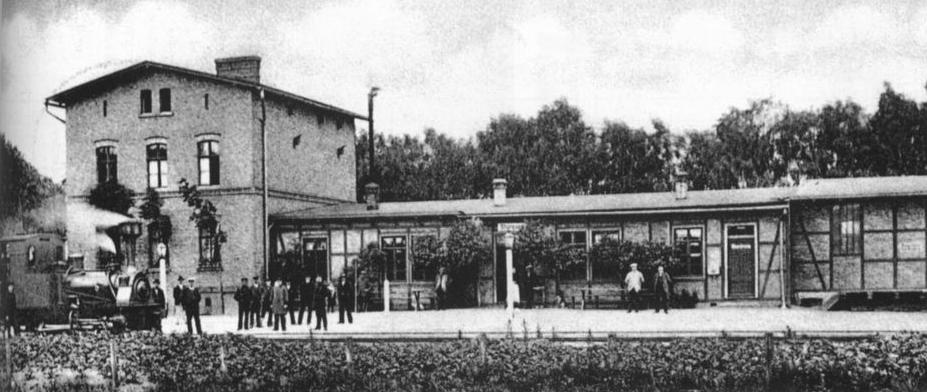
The history of the Stargard Narrow-Gauge Railway began at the end of the 19th century. In 1895 the first sections of a narrow-gauge network linking Stargard with the surrounding towns and villages were opened.
The railway was of great importance for the region's economic development, carrying farm produce, timber and building materials as well as local people.
Over the following years the network was extended to dozens of kilometres of track, with many stations, halts and technical facilities.
A railway that connected people
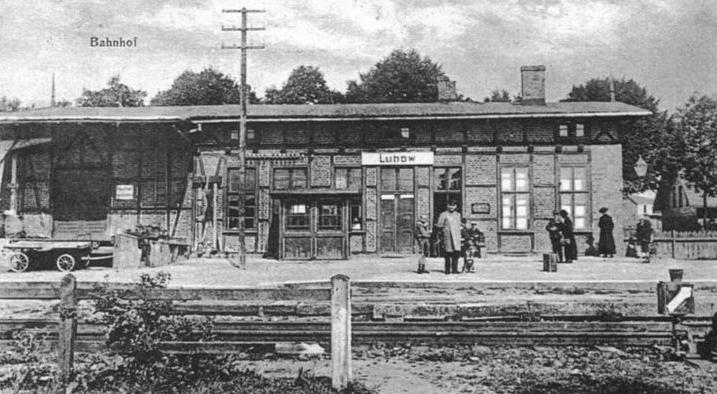
For many decades the Stargard Narrow-Gauge Railway was the main means of transport for the people of the region.
Passenger and freight trains ran on its lines, carrying people, farm produce, livestock and goods for local businesses.
In its heyday the railway was an integral part of the social and economic life of West Pomerania.
The final years of operation
After the Second World War the railway continued to operate under the Polish State Railways (PKP), but the growth of road transport gradually reduced its importance.
In the 1980s and 1990s passenger numbers fell steadily, while the infrastructure required ever greater investment.
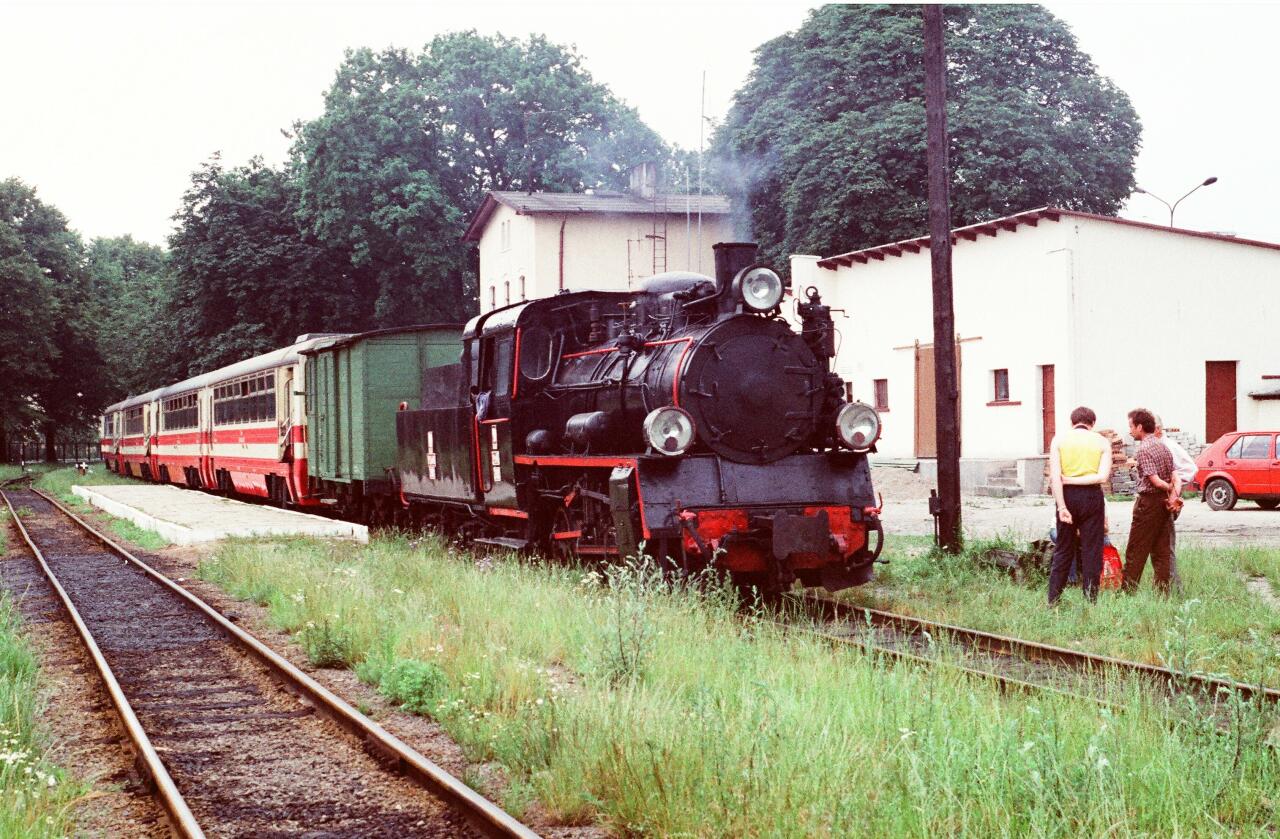
Photo: Witold Niedzielski
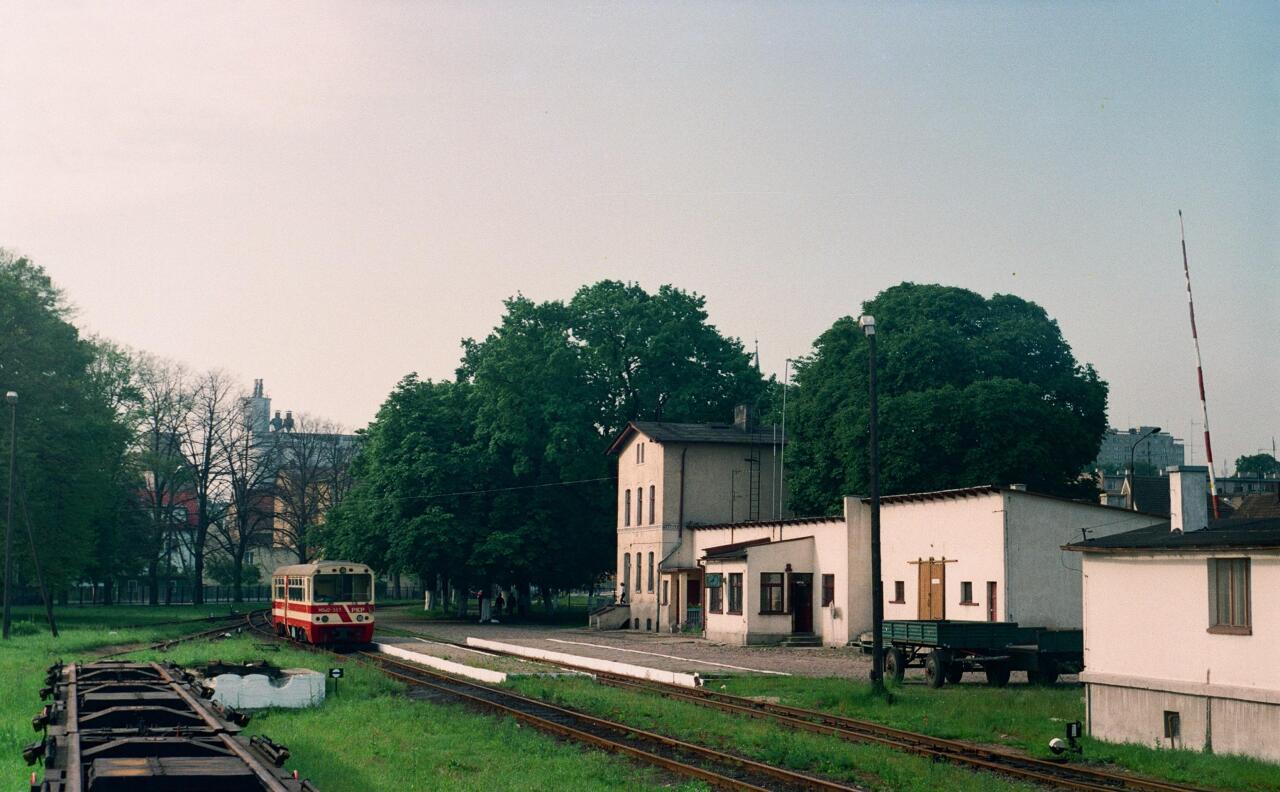
Photo: Michał Gliniecki
Slow decline and closure
At the beginning of the 21st century the decision was made to end services. The last train on the Stargard – Dobra Nowogardzka route ran in October 2001, after which the line was closed for good.
The remaining rolling stock was withdrawn and then sold, handed over to other operators or scrapped.
After the closure, the rails were quickly stolen and the railway's property was vandalised. For many years the abandoned infrastructure was left without any care, and many structures fell into ever deeper ruin.
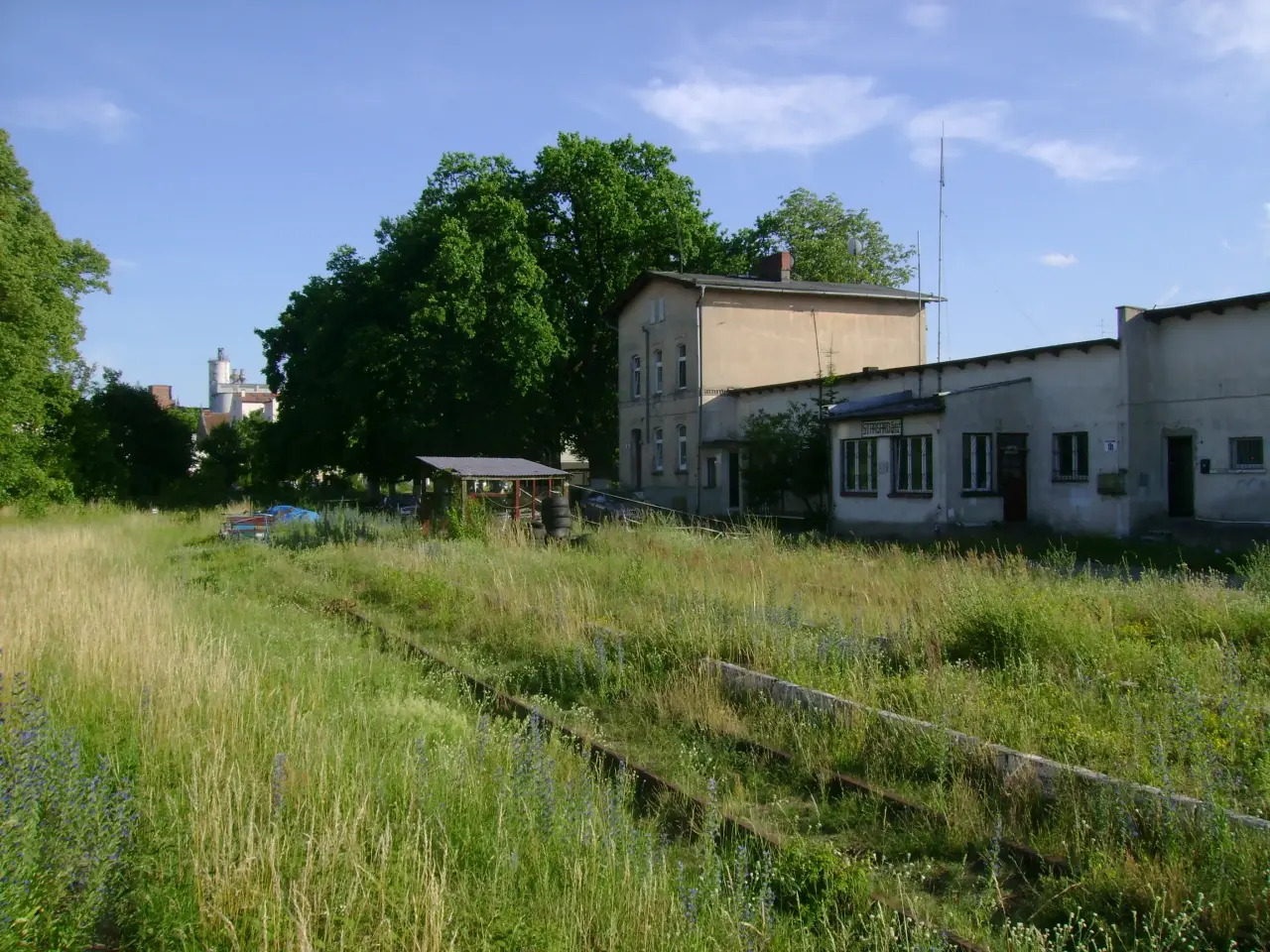
Photo: Paweł Frączek
Listed as a historic monument
Despite the vandalism and theft, there were people who cared about the fate of the railway. Thanks to the efforts of the Society of Friends of Stargard, in 2003 the Provincial Conservator of Monuments in Szczecin entered the Stargard Narrow-Gauge Railway (Stargardzka Kolej Dojazdowa) in the register of historic monuments.
The listing covered the surviving elements of the railway infrastructure and gave the remains of the former line formal legal protection.
The founding of the Stargard Narrow-Gauge Railway Association
Despite many years of neglect, the memory of the Stargard Narrow-Gauge Railway never faded.
In 2017 a group of railway and local history enthusiasts founded Towarzystwo Stargardzka Kolej Dojazdowa (TSKD), the Stargard Narrow-Gauge Railway Association.
The association set out to rescue what remained of the old railway, to promote its history and to gradually bring the infrastructure back to life.
Rebuilding the infrastructure
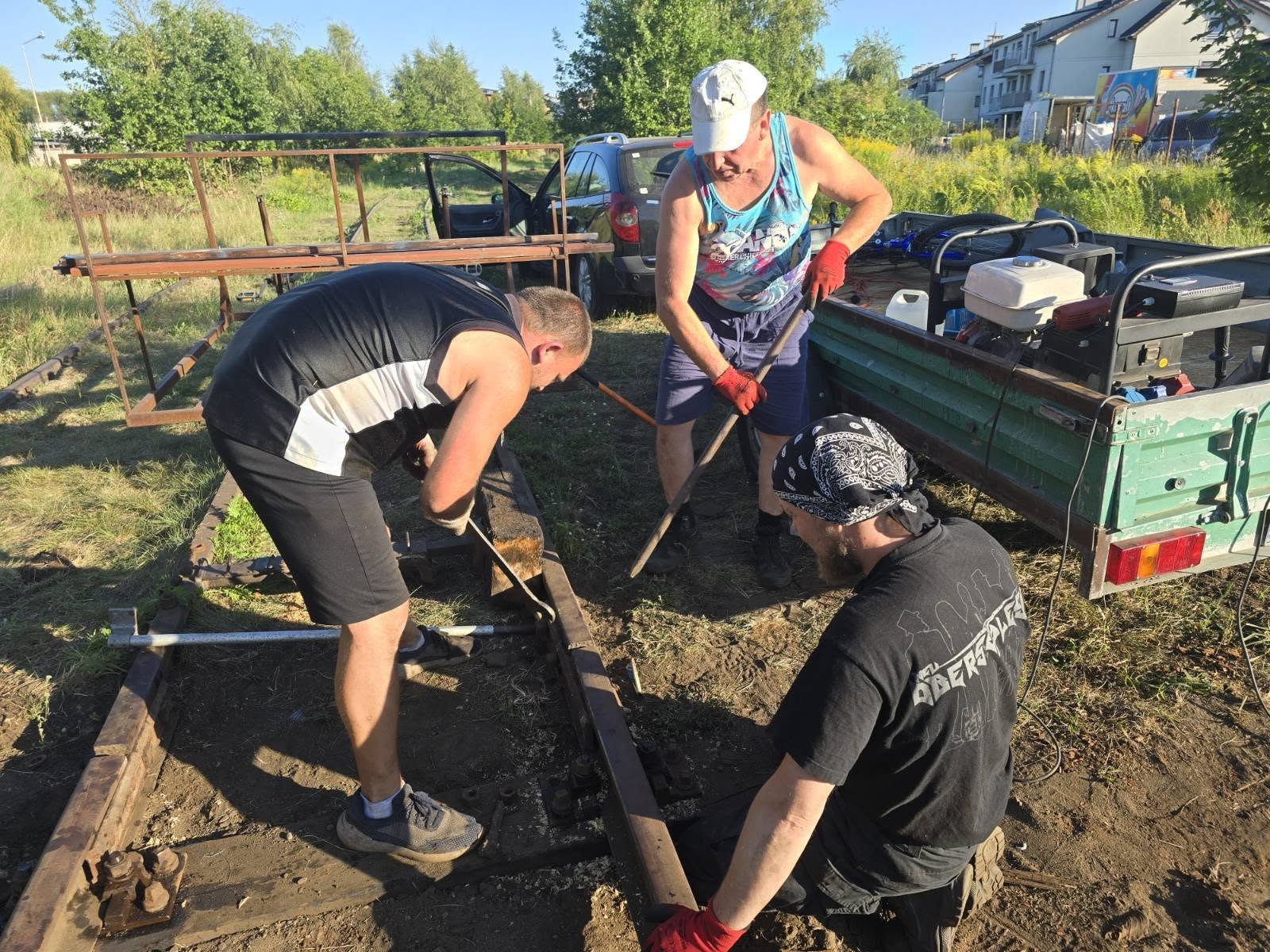
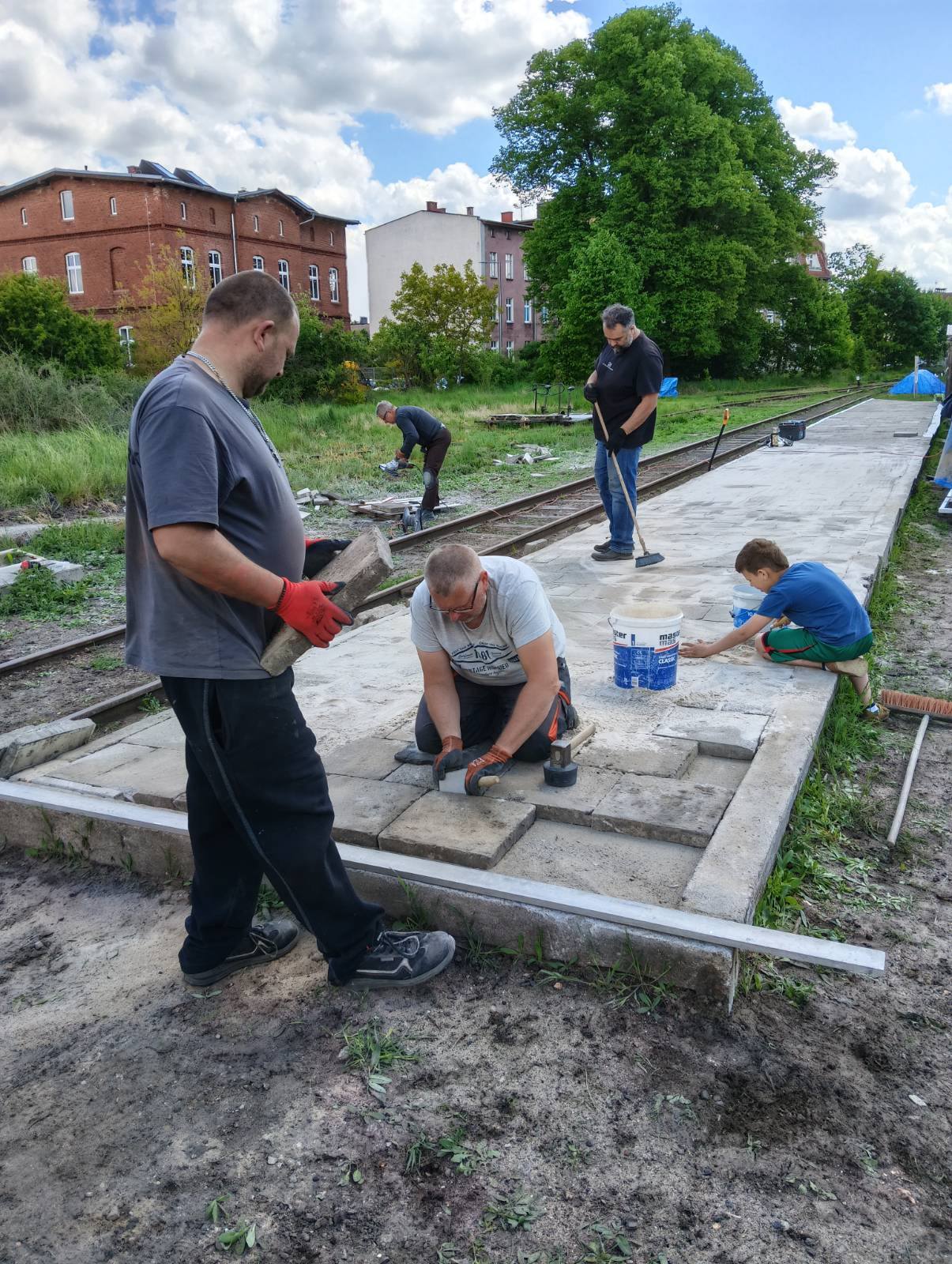
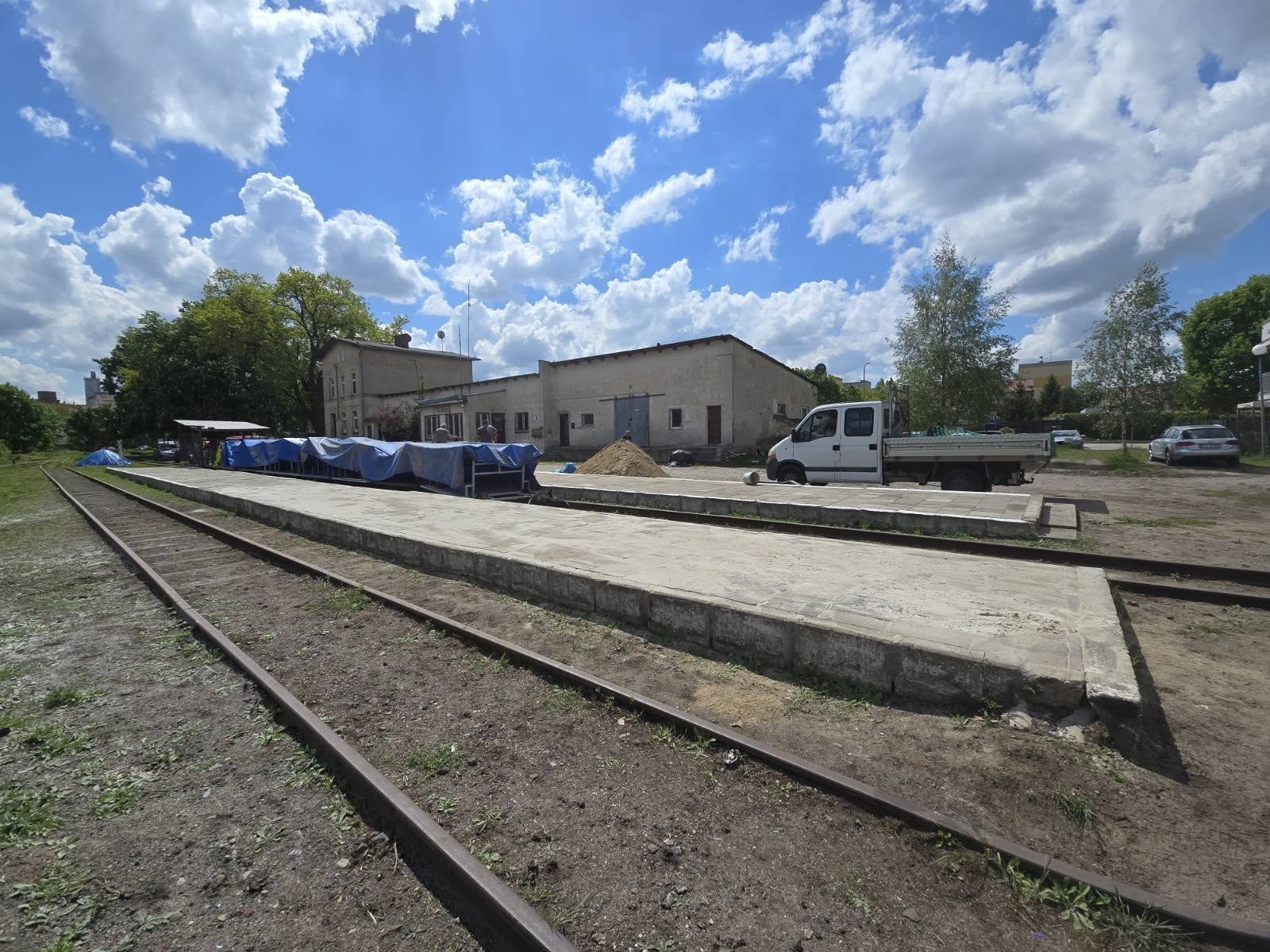
Since the very beginning, TSKD members have been working systematically to restore the former Stargard Wąskotorowy station.
In recent years a great deal of track work has been carried out, the station grounds have been tidied up and the rebuilding of the platforms has begun.
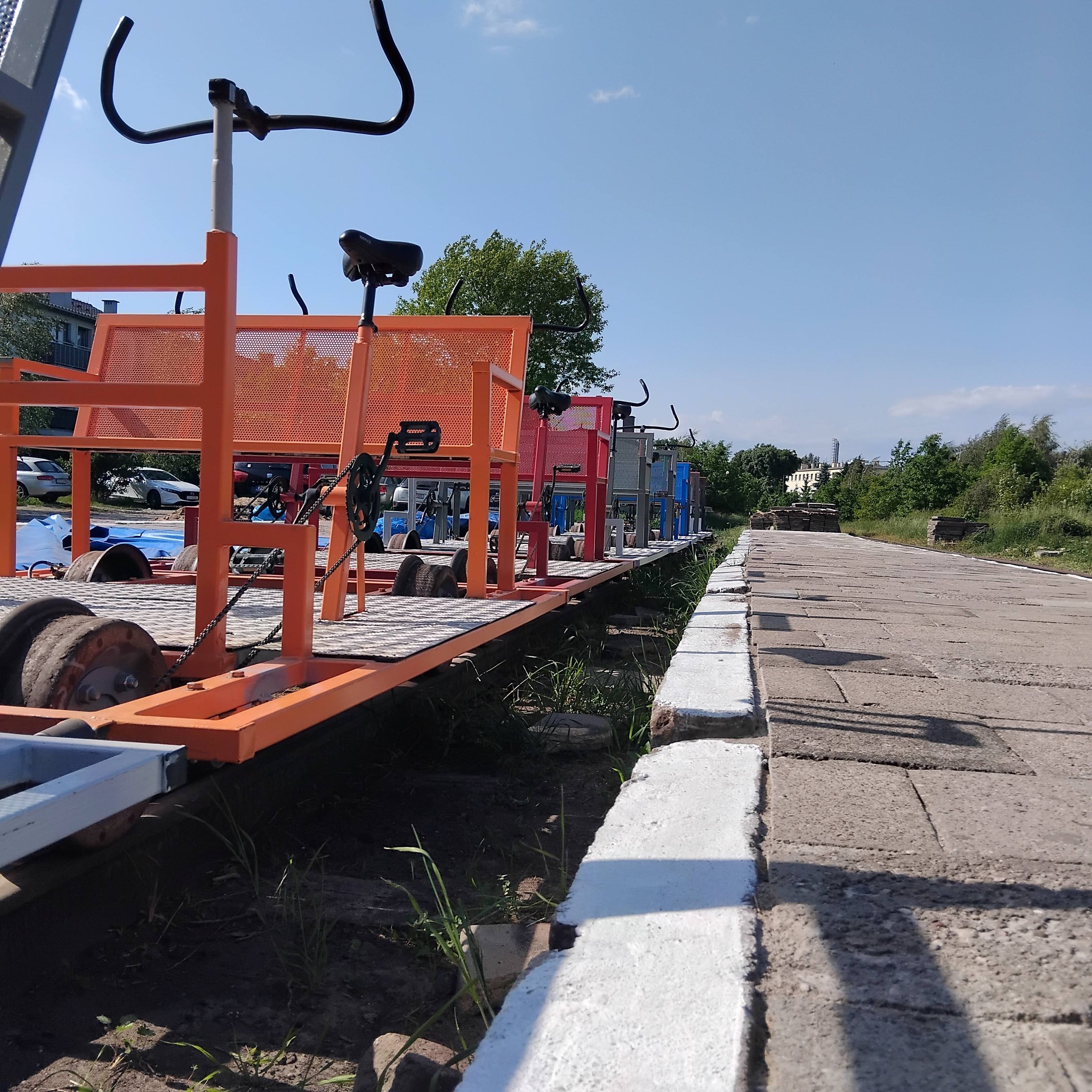
Railbikes built by TSKD
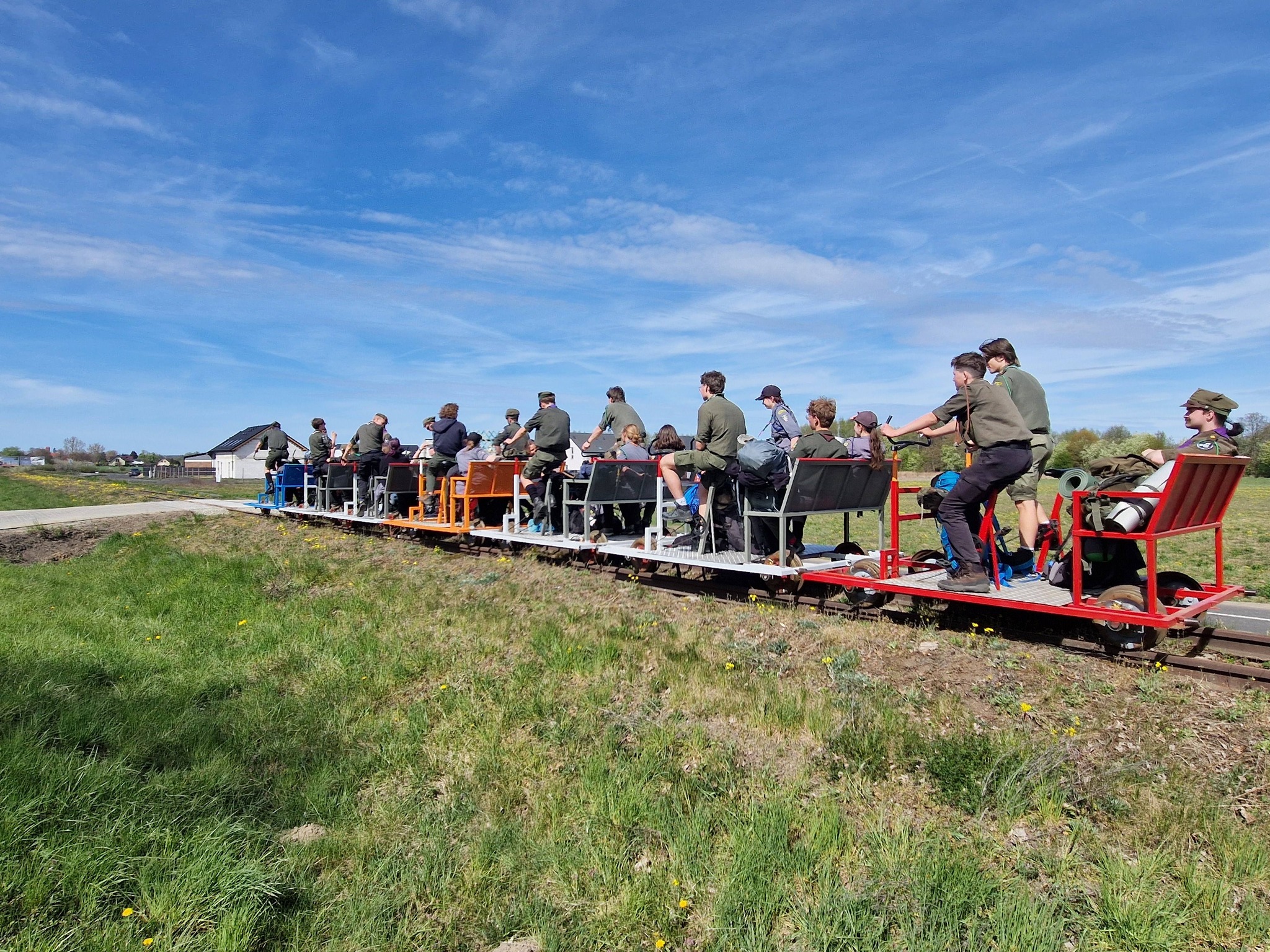
Having lost the historic rolling stock, the association decided to build its own fleet of railbikes so that tourist rides could be organised.
All the railbikes currently in use were designed and built by members of the Stargard Narrow-Gauge Railway Association.
This made it possible to bring tourist traffic back to the surviving sections of the former railway line.
The biggest challenges ahead
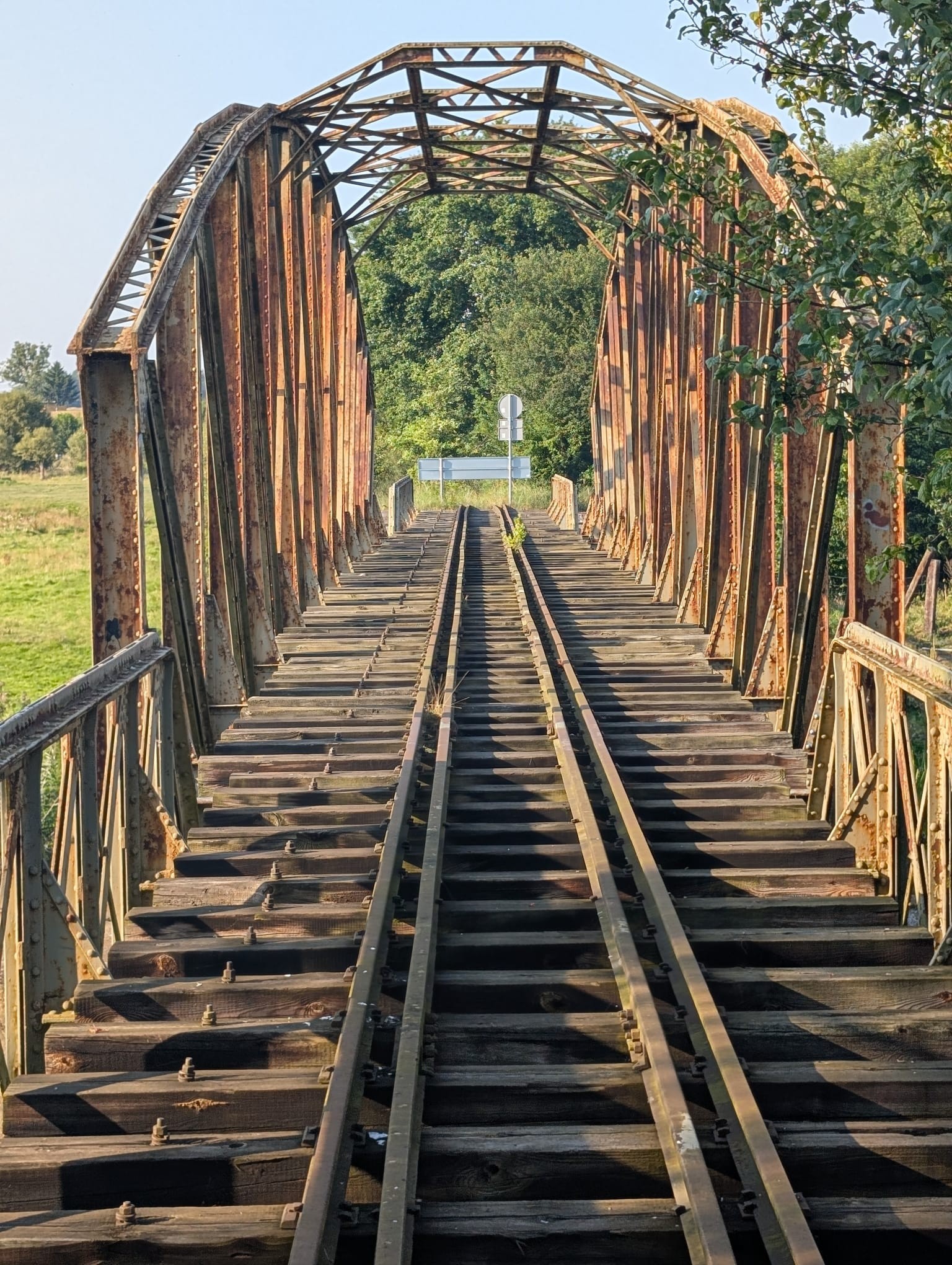
The biggest challenge currently facing the Stargard Narrow-Gauge Railway Association is raising funds to repair the historic railway bridge in Żarowo.
Another key task is rebuilding around 2.5 kilometres of line between Lubowo and Małkocin, which was dismantled after services ended.
Completing these projects would significantly extend the ride route and help railway tourism in the region to grow further.
The railway lives on
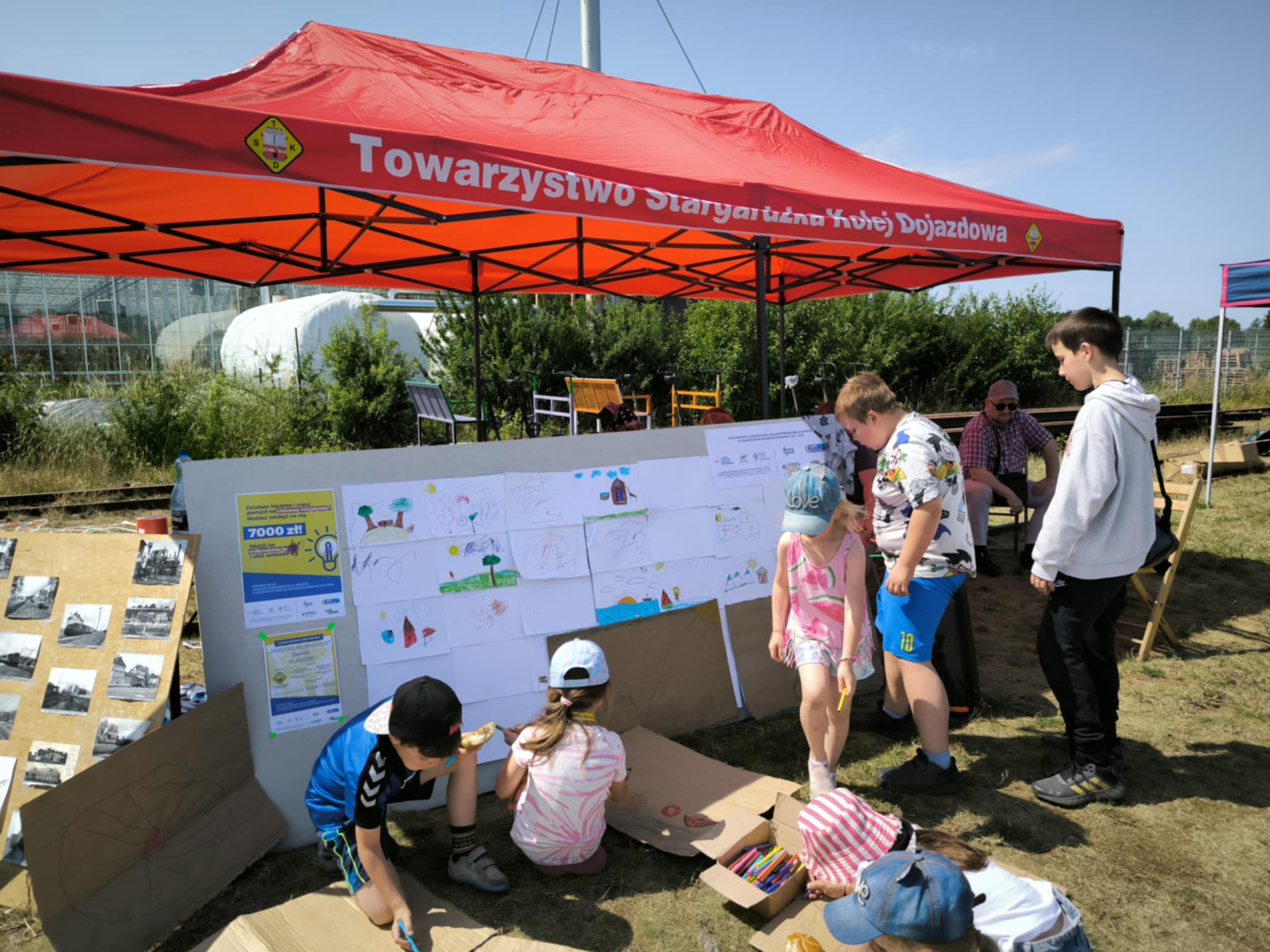
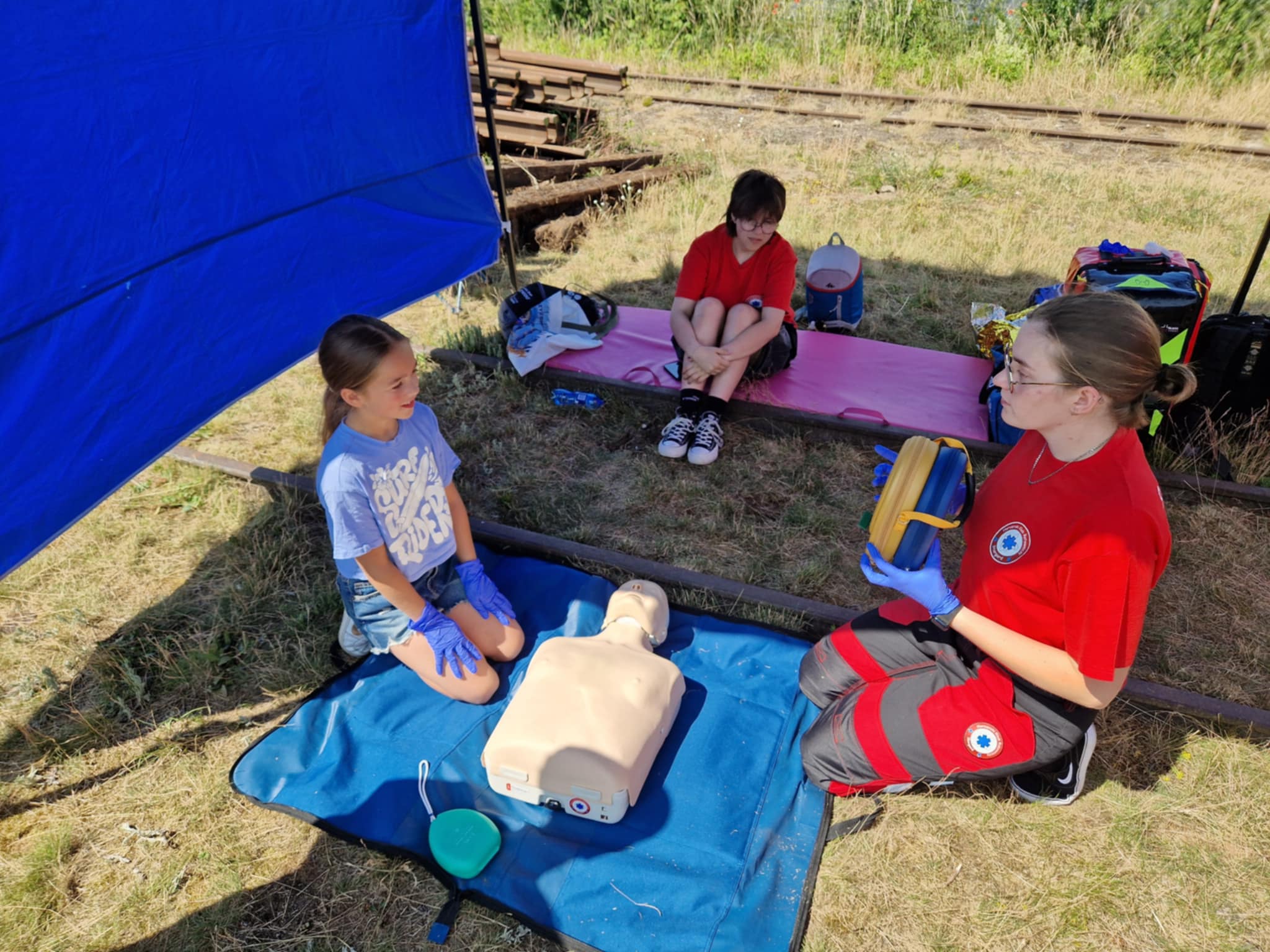
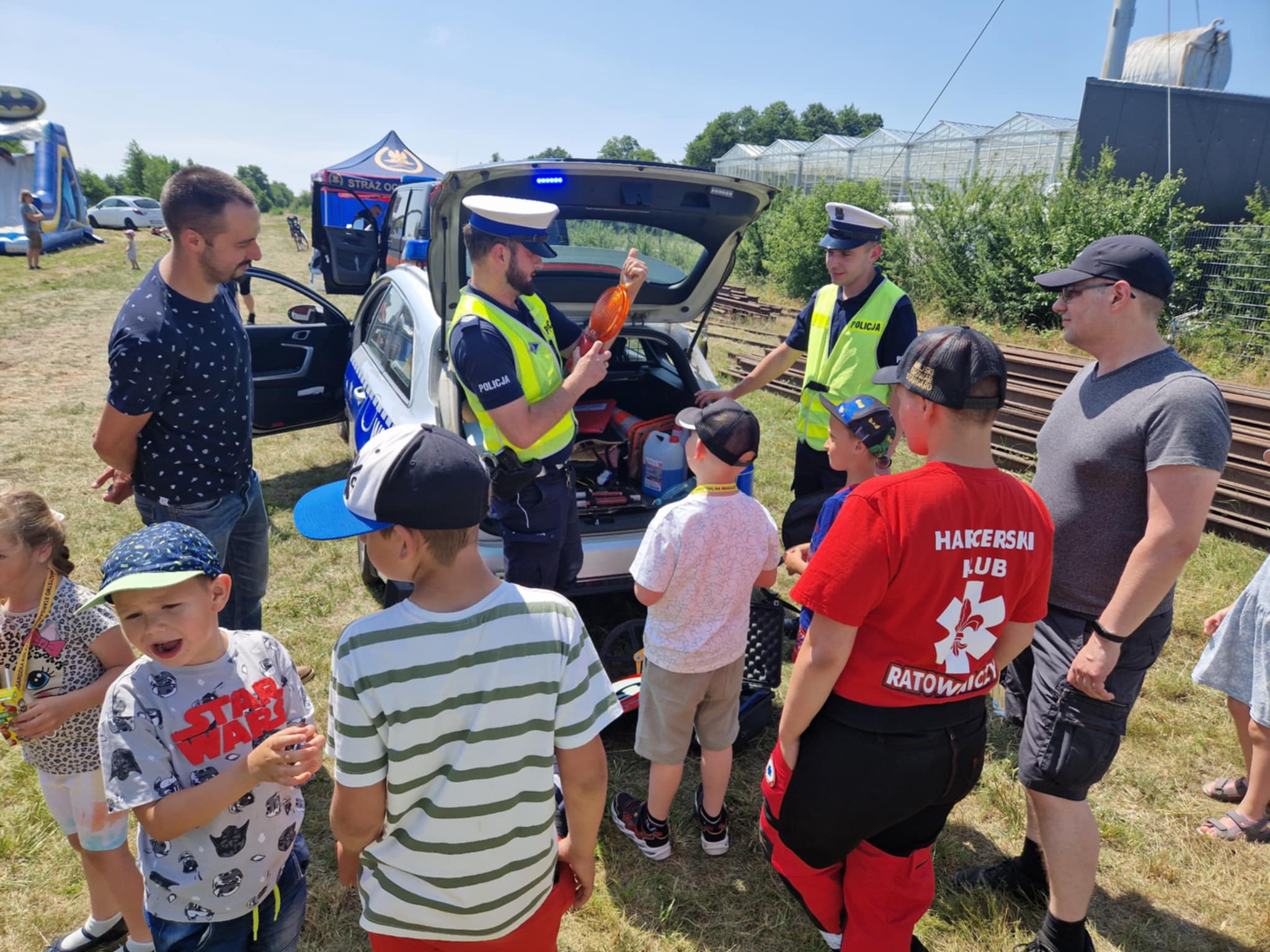
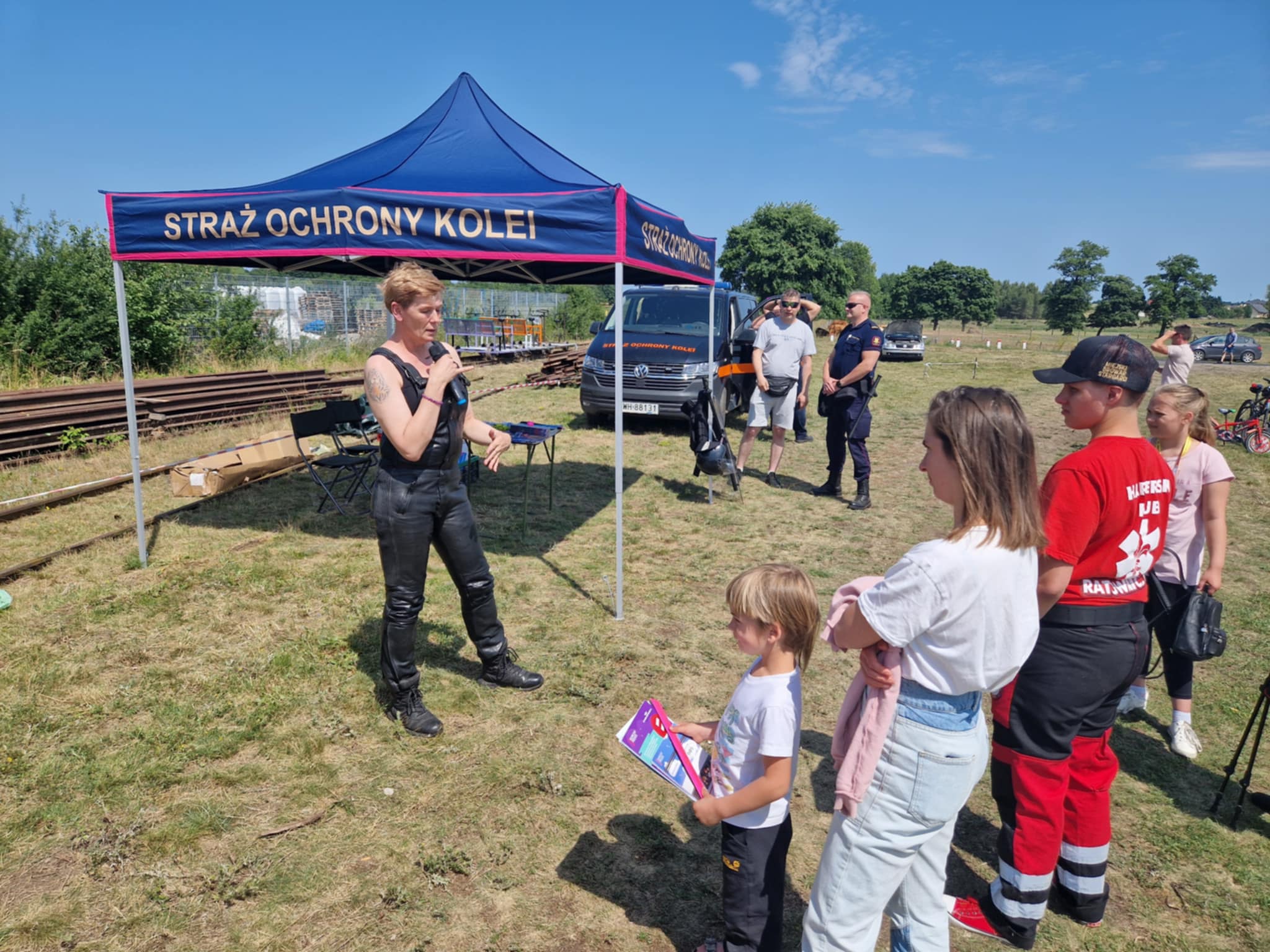
TSKD's work is not limited to technical tasks. The association plays an active part in local community life, organising family fairs, educational events, charity campaigns, special rides and events that promote the history of the region.
Our events are attended by local residents, scouts, members of the uniformed services, rescue workers and many partners who support the development of the railway.